# 2020-07-20
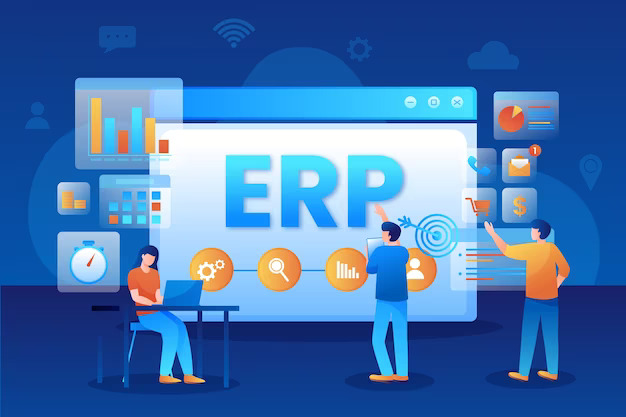
How ERP System Integrates Each Business Process? Enterprise Resource Planning (ERP) systems play a crucial role in integrating and optimizing various business processes across an organization. Here's how an ERP system facilitates seamless integration:
An ERP system serves as a centralized hub that houses data from different departments. This eliminates data silos and ensures that all teams have access to accurate and up-to-date information.
ERP systems automate and optimize workflows by standardizing processes. This reduces manual intervention, minimizes errors, and ensures consistent execution of tasks across departments.
Changes made in one part of the organization are reflected in real time throughout the ERP system. This synchronization ensures that everyone has access to accurate and consistent data, fostering better decision-making.
ERP systems provide real-time insights into various business processes. This enables managers to track performance, identify bottlenecks, and make data-driven decisions to optimize operations.
Different departments can collaborate more effectively through the shared platform of an ERP system. Information flows seamlessly between teams, enabling better coordination and communication.
ERP systems offer a unified view of the organization's operations. This visibility helps stakeholders monitor processes, detect inefficiencies, and identify areas for improvement.
Repetitive tasks and manual processes can be automated through ERP systems. This increases efficiency, reduces errors, and frees up employees to focus on more strategic tasks.
ERP systems provide data-driven insights that aid in informed decision-making. Managers can analyze trends, forecast demand, and allocate resources effectively.
ERP systems enable customer information to be centralized and accessible. This enhances customer service by providing a comprehensive view of interactions and order history.
As businesses expand, ERP systems can accommodate growth by easily adding new users, functionalities, and even integrating with other systems.
In summary, an ERP system integrates business processes by centralizing data, streamlining workflows, synchronizing information, enabling real-time reporting, promoting cross-functional collaboration, enhancing visibility, automating processes, improving decision-making, enhancing customer service, and supporting scalability and growth. This integration leads to increased efficiency, improved agility, and enhanced overall organizational performance.