# 2021-05-10
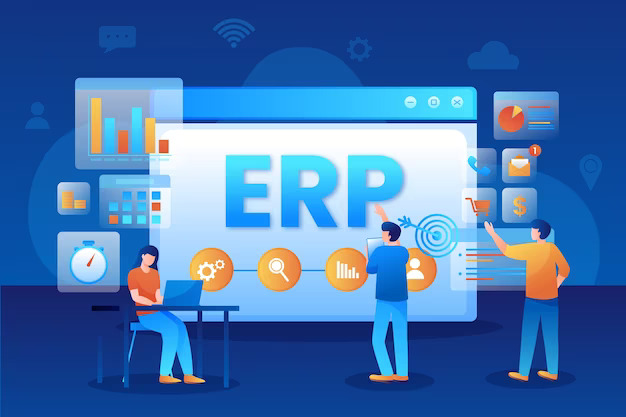
Enterprise Resource Planning (ERP) systems offer numerous benefits for businesses, but their implementation can be particularly challenging for small and medium-sized enterprises (SMEs). SMEs often face unique obstacles that can hinder the successful adoption and utilization of ERP solutions. In this article, we explore some of the key challenges that the SME sector encounters when implementing ERP systems.
One of the primary challenges for SMEs in adopting ERP systems is limited financial resources and IT expertise. Implementing an ERP solution requires a considerable investment in software licenses, hardware infrastructure, and employee training. However, SMEs often have smaller budgets compared to larger enterprises, making it difficult to afford comprehensive ERP implementations. Additionally, SMEs may lack the in-house IT staff with the necessary expertise to manage and maintain the ERP system, leading to additional outsourcing costs or reliance on ERP vendors for support.
SMEs often have unique business processes and requirements, and they may need to customize the ERP system to fit their specific needs. However, customizing ERP software can be complex and costly, especially for SMEs with limited technical expertise. Moreover, integrating the ERP system with existing legacy applications or third-party software can pose integration challenges, potentially leading to data inconsistencies and inefficiencies. Finding the right balance between customization and out-of-the-box features can be a significant hurdle for SMEs during ERP implementation.
Introducing an ERP system often requires significant changes in business processes and workflows. SMEs may face resistance from employees who are accustomed to existing manual or disjointed systems. Implementing effective change management strategies becomes crucial to ensure smooth user adoption and minimize disruptions. Lack of proper training and support during the transition can lead to employee frustration and hinder the full utilization of the ERP system's capabilities, reducing the overall return on investment.
SMEs often handle sensitive data, including customer information and financial records. Ensuring data security and compliance with relevant regulations is of utmost importance. However, SMEs may lack dedicated IT security teams and resources to protect against potential data breaches or cyberattacks. Adopting cloud-based ERP systems can raise additional security concerns, although cloud providers generally invest in robust security measures. SMEs must carefully assess the security features of their chosen ERP system and implement appropriate measures to safeguard their data.
As SMEs grow and expand, their ERP requirements may change, and the chosen system must be scalable to accommodate future growth. However, some ERP solutions may have limitations in terms of scalability, leading to potential issues when handling increased data volumes and transactional loads. It's essential for SMEs to consider the long-term scalability of their ERP system and select a solution that can grow alongside their business without requiring costly and disruptive migrations in the future.