# 2022-03-20
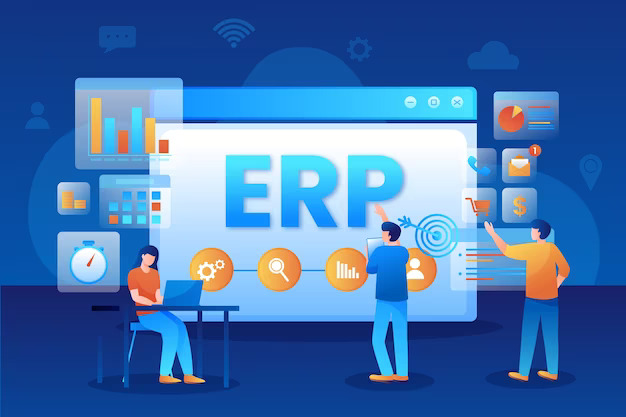
Enterprise Resource Planning (ERP) systems have the potential to revolutionize businesses, but their development can be challenging and prone to failure. Many ERP system development projects fall short of expectations, leading to wasted resources and frustrated stakeholders. In this article, we examine some common reasons why ERP system developments often encounter difficulties and how to avoid these pitfalls.
One of the primary reasons for ERP system development failures is setting unrealistic expectations. Organizations may anticipate that the ERP system will magically solve all their problems and boost efficiency overnight. However, ERP implementation is a complex process that requires time and effort. Unrealistic expectations can lead to disappointment and a perception that the ERP system is a failure, even if it is progressing as expected. To prevent this, organizations should set achievable goals, communicate transparently with stakeholders, and recognize that ERP implementation is an ongoing journey.
Insufficient planning and unclear project scope are significant contributors to ERP system development failures. Inadequate planning can lead to misalignment between business objectives and ERP capabilities. Additionally, scope creep, where the project's scope expands beyond the original plan, can lead to increased costs, delays, and chaos. To avoid this, organizations must invest time in meticulous project planning, define a clear scope, and adhere to change management processes to handle any deviations effectively.
ERP system developments often fail when end-users are not adequately involved in the process. If the ERP system does not cater to users' actual needs or if users are not prepared for the changes, they may resist adoption. Inadequate training further exacerbates the issue, leading to underutilization of the ERP system's features. To address this, organizations should engage end-users from the beginning, seek their feedback, and provide comprehensive training to ensure they are comfortable and confident using the ERP system.
ERP system development projects require strong leadership and support from executives and top management. Lack of executive buy-in can lead to inadequate funding, resource constraints, and difficulty overcoming organizational resistance to change. Without active support from the top, ERP initiatives may lack the necessary momentum and authority to succeed. Organizations should ensure that top-level executives champion the ERP project, communicate its importance, and actively participate in decision-making processes to foster a positive and supportive environment for successful ERP implementation.
ERP system development involves various stakeholders, including IT teams, business users, consultants, and vendors. Failures can occur when there is a lack of clear communication and collaboration among these parties. Misunderstandings, conflicting priorities, and poor coordination can hinder progress and lead to unmet expectations. To foster successful ERP system development, organizations should promote open and effective communication, establish clear roles and responsibilities, and create a collaborative culture that encourages shared ownership and accountability for the project's success.