# 2021-06-05
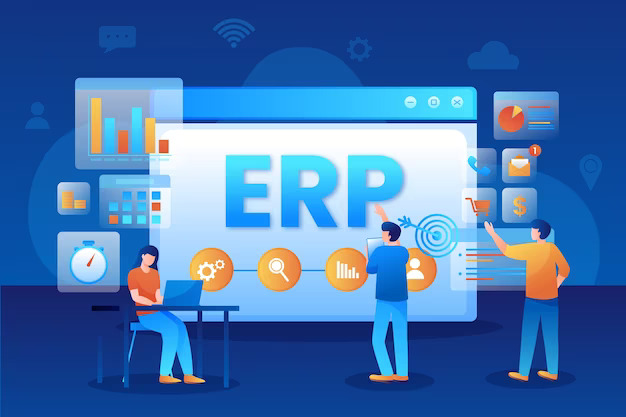
Cloud-based ERP systems have revolutionized the way businesses manage their operations, offering numerous advantages over traditional on-premises solutions. Cloud-based ERP, also known as Software-as-a-Service (SaaS) ERP, is hosted on remote servers and accessed through the internet. This article explores the key benefits of adopting a cloud-based ERP system for modern businesses.
One of the most significant advantages of a cloud-based ERP system is its flexibility and scalability. Traditional on-premises ERP systems often require significant upfront investment and can be challenging to scale up or down based on business needs. In contrast, cloud-based ERP allows businesses to pay for the resources they need and easily adjust their subscription as their requirements change. This flexibility enables organizations to adapt to market fluctuations, expand into new regions, or add new functionalities without the constraints of hardware limitations.
Cloud-based ERP systems provide unparalleled accessibility, allowing authorized users to access critical business data and applications from any location with an internet connection. This accessibility promotes collaboration and empowers remote and mobile workers to stay connected and productive. Additionally, cloud-based ERP facilitates seamless collaboration among different departments and teams by centralizing data in a shared environment. This shared access fosters improved communication, data transparency, and more informed decision-making across the organization.
Cloud-based ERP providers invest heavily in data security, ensuring that sensitive business information is protected against potential threats and breaches. They implement robust security measures, such as encryption, firewalls, and regular backups, to safeguard data integrity and availability. Cloud-based ERP systems often boast redundant data centers with failover capabilities, guaranteeing high uptime and continuous accessibility to critical business functions. This level of reliability and security allows businesses to focus on their core operations with the confidence that their data is safe and accessible.
With cloud-based ERP systems, software updates and maintenance tasks are handled by the service provider. Businesses no longer need to allocate internal resources to manage these processes, saving time and effort. Software updates are typically rolled out automatically, ensuring that organizations always have access to the latest features and security enhancements without disruptions. This seamless and non-disruptive update process keeps the ERP system running at optimal performance, allowing businesses to stay competitive in a fast-paced market environment.
Cloud-based ERP systems offer a cost-effective solution for businesses of all sizes. By eliminating the need for on-premises hardware and infrastructure, organizations can avoid significant upfront capital expenses. Instead, they pay a predictable monthly or annual subscription fee, allowing for better financial planning and budget management. Additionally, the scalability and flexibility of cloud-based ERP contribute to a higher return on investment (ROI) as businesses can optimize their resources, reduce operational costs, and drive business growth through improved efficiency and productivity.