# 2023-02-12
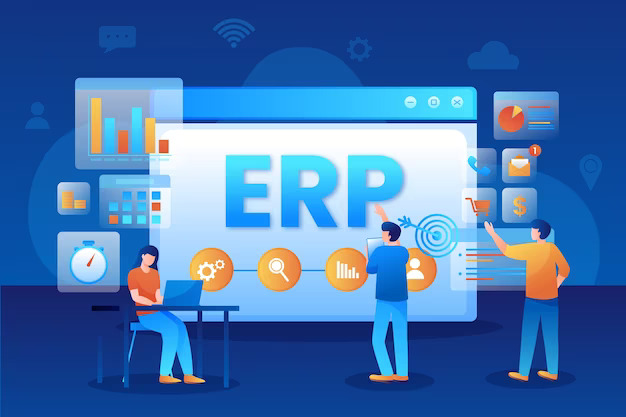
Enterprise Resource Planning (ERP) system developments are complex endeavors that require a unique set of skills, expertise, and resources. While ERP systems offer significant benefits, not everyone can undertake their development successfully. In this article, we explore the reasons why ERP system developments are not for everyone and why it is essential to have the right capabilities for such projects.
ERP system developments are technically complex projects that involve various technologies, programming languages, and integration challenges. Developing a comprehensive ERP system requires expertise in areas such as database management, software development, and system architecture. Not everyone possesses the technical skills and experience to handle the intricacies of ERP system development effectively. Organizations need specialized IT teams or experienced ERP consultants to navigate the technical complexities and ensure a successful ERP implementation.
Successful ERP system developments demand a deep understanding of business processes and operations. Developing an ERP system without a profound knowledge of the organization's workflows can lead to a disconnect between the ERP system and the actual business needs. Only those who have a comprehensive grasp of the organization's business processes can identify opportunities for improvement, tailor the ERP system to meet specific requirements, and ensure seamless integration with existing operations.
ERP system developments require significant resources, including financial investment, skilled human resources, and time commitments. Not every organization or individual has the capacity to allocate such resources to an ERP development project. Insufficient resources can lead to compromised development efforts, delayed timelines, and inadequate testing, jeopardizing the success of the ERP implementation. Organizations must carefully evaluate their resource capacity and readiness before embarking on ERP system developments.
ERP system developments carry inherent risks, including potential disruptions to business operations, data integrity issues, and financial implications. Mitigating and managing these risks require a systematic and strategic approach. Organizations need to be prepared to handle unforeseen challenges and have contingency plans in place. Those lacking experience in managing complex ERP projects may find it challenging to assess and mitigate risks effectively, making ERP system developments a challenging undertaking.
ERP system developments are not short-term projects; they require a long-term commitment from all stakeholders. From planning and development to implementation and post-implementation support, ERP projects demand consistent effort and dedication. Not everyone is equipped to sustain this level of commitment throughout the project's lifecycle. Successful ERP system developments involve staying focused on goals, managing changes effectively, and investing in continuous improvement. Without the ability to maintain long-term commitment, ERP projects may not achieve their full potential.